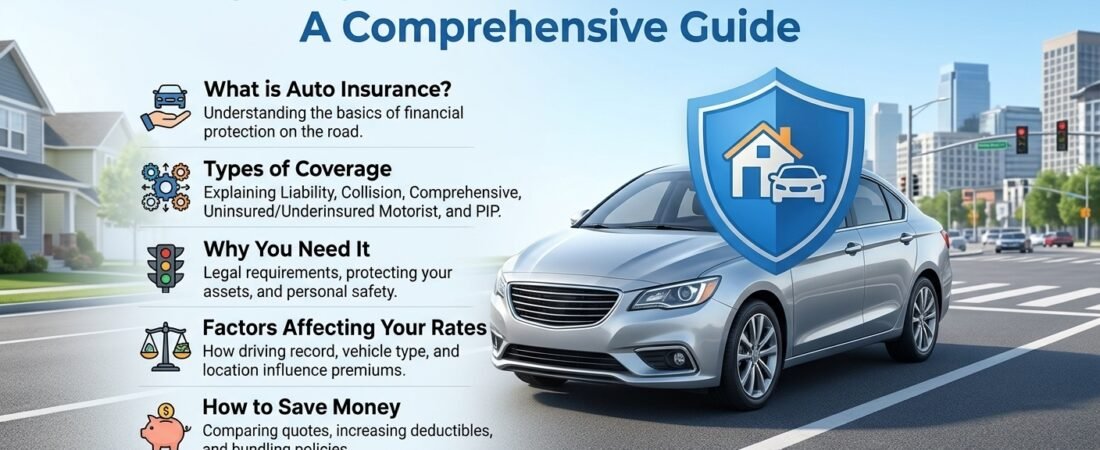
Auto insurance is a cornerstone of responsible vehicle ownership, providing a crucial financial safety net in the unpredictable world of driving. Whether you’re a seasoned motorist or a new driver, understanding the nuances of auto insurance is essential to ensure you have the right coverage to protect yourself, your assets, and others on the road. This comprehensive guide explores the fundamentals of auto insurance, the various types of coverage available, and the factors that influence your premiums.
What is Auto Insurance?
At its core, auto insurance is a contract between a vehicle owner and an insurance company. In exchange for regular payments called premiums, the insurer agrees to provide financial protection against specific losses related to your vehicle, such as accidents, theft, or damage. This coverage helps mitigate the potentially devastating costs that can arise from unexpected events on the road.
Types of Coverage
Auto insurance policies are typically composed of several distinct types of coverage, each serving a specific purpose. Understanding these components is vital when tailoring a policy to your needs:
- Liability Coverage: This is the foundation of most auto insurance policies and is mandatory in nearly every state. It consists of two parts:
- Body Injury Liability: Covers medical expenses, lost wages, and legal costs for others injured in an accident where you are at fault.
- Property Damage Liability: Pays for damage you cause to someone else’s property, such as their vehicle or a structure like a fence or guardrail.
- Collision Coverage: This coverage pays to repair or replace your own vehicle if it’s damaged in a collision with another vehicle or object, regardless of who is at fault. If you have a car loan or lease, your lender likely requires this coverage.
- Comprehensive Coverage: Comprehensive coverage protects your vehicle from damage caused by events other than collisions. This includes theft, vandalism, fire, natural disasters (like hail or floods), and hitting an animal. Similar to collision coverage, lenders often mandate comprehensive coverage.
- Uninsured/Underinsured Motorist Coverage: This coverage steps in if you’re involved in an accident with a driver who either doesn’t have insurance or doesn’t have enough coverage to pay for the damages they caused. It can cover medical expenses for you and your passengers, as well as property damage in some cases.
- Personal Injury Protection (PIP) or Medical Payments Coverage: PIP (available in “no-fault” states) or Medical Payments coverage helps pay for medical expenses for you and your passengers after an accident, regardless of who is at fault. PIP may also cover lost wages and essential services.
Why You Need Auto Insurance
Beyond the legal requirement in most places, auto insurance is essential for several reasons:
- Financial Protection: A single accident can result in medical bills, repair costs, and legal fees reaching tens or even hundreds of thousands of dollars. Auto insurance prevents these expenses from causing personal financial ruin.
- Asset Protection: By covering liability claims, insurance protects your personal assets, such as your savings, home, and future earnings, from being seized to satisfy a judgment if you are sued.
- Lender Requirements: If you financed or leased your car, the lender will likely require you to maintain comprehensive and collision coverage to protect their investment until the vehicle is paid off.
- Peace of Mind: Knowing you have adequate coverage provides significant peace of mind every time you get behind the wheel, allowing you to focus on safe driving rather than potential financial catastrophes.
Factors Affecting Your Rates
Insurance companies use complex algorithms to assess risk and determine your insurance premiums. Several key factors heavily influence the cost of your auto insurance:
- Driving Record: This is arguably the most significant factor. Drivers with a history of accidents, speeding tickets, or other violations are considered higher risk and pay higher premiums.
- Age and Experience: Younger, less experienced drivers generally face higher rates due to a lack of driving history and a statistically higher likelihood of accidents.
- Vehicle Type: The make, model, age, and safety features of your car affect its repair or replacement cost, as well as its likelihood of theft or involvement in accidents. High-performance or luxury vehicles often cost more to insure.
- Location: Where you live and park your car matters. Areas with higher rates of accidents, theft, or vandalism, such as densely populated cities, typically have higher insurance premiums.
- Coverage Limits and Deductibles: Choosing higher coverage limits will increase your premium. Conversely, selecting a higher deductible (the amount you pay out of pocket before insurance kicks in) will lower your premium but increase your potential costs in the event of a claim.
- Credit Score: In many states, insurers use credit-based insurance scores as a factor, as studies have shown a correlation between credit history and insurance risk.
How to Save Money on Auto Insurance
While insurance is a necessary expense, there are several ways to potentially lower your premiums without sacrificing essential coverage:
- Shop Around and Compare Quotes: Insurance rates vary significantly between companies. Obtain quotes from multiple insurers to find the best value for the coverage you need.
- Bundle Policies: Many insurers offer discounts if you purchase multiple policies from them, such as bundling your auto and homeowners or renters insurance.
- Increase Your Deductible: Raising your deductible can lower your premium payments. Just be sure you can afford the higher out-of-pocket cost if you need to file a claim.
- Maintain a Clean Driving Record: Safe driving is the single most effective way to keep your insurance costs low over time.
- Ask About Discounts: Inquire about all available discounts, which may be offered for good grades (for students), completion of defensive driving courses, having safety features on your vehicle, or being a member of certain professional organizations.
- Review Your Coverage Regularly: As your life circumstances and vehicle value change, your insurance needs may also change. Review your policy at least annually to ensure you have the appropriate level of coverage.
Conclusion
Auto insurance is more than just a legal requirement; it’s a critical tool for protecting yourself and your finances from the inherent risks of driving. By understanding the different types of coverage, assessing your individual needs, and considering the factors that influence rates, you can make informed decisions to secure the right insurance policy at a price that fits your budget. Remember to shop around, maintain a safe driving record, and review your coverage periodically to ensure you are always adequately protected on the road.